

Many brands invest heavily in visual output but remain uncertain about why some imagery resonates while other content quickly fades. The difference is rarely about budget or equipment. It lies in the thinking that happens before the camera is ever turned on. In 2026, powerful brand imagery is built through a disciplined creative studio process—one that connects strategy, creative direction, and execution with precision.
For decision-makers, understanding how creative studios move from concept to camera is essential. Brand imagery is no longer just visual support; it is a primary expression of brand identity.
Why This Topic Matters Today
Visual branding has become one of the most influential factors shaping perception in global markets. Audiences encounter brand imagery across websites, campaigns, internal platforms, and digital ecosystems. Each image or video contributes to a larger narrative, whether intentionally designed or not.
In this context, inconsistency is costly. Disconnected visuals weaken trust, confuse positioning, and dilute brand value. As competition increases and attention spans shorten, brands can no longer afford fragmented approaches to commercial photography or video production.
Creative studios play a critical role here. Their value is not limited to production; it lies in the ability to translate abstract brand intent into coherent, scalable imagery. In 2026, this translation requires process, not improvisation.
Understanding the Creative Studio Process
The creative studio process begins long before any visual asset is produced. At its core, it is a structured method for aligning business objectives with visual outcomes.

The first stage is clarity of intent. Creative direction is established by understanding what the brand needs to communicate, to whom, and in what context. This includes defining tone, purpose, and the role imagery will play within the broader brand ecosystem. Without this clarity, even technically strong visuals can miss their mark.
Next comes concept development. This is where ideas are shaped into visual narratives. Concepts are not about style alone; they define perspective, mood, framing, and storytelling logic. In both commercial photography and video production workflows, strong concepts ensure that visuals are purposeful rather than decorative.
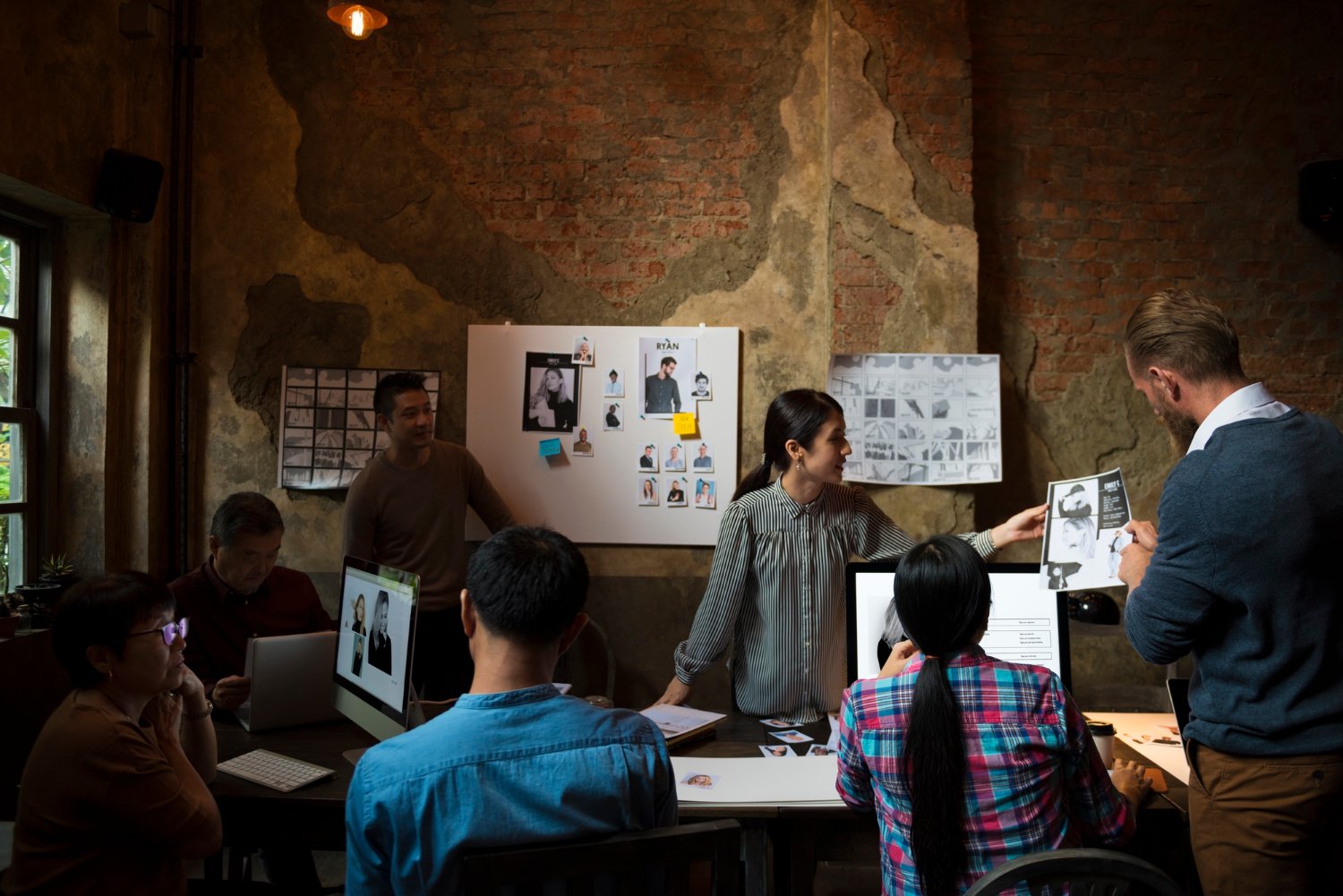
The process then moves into planning and alignment. Locations, environments, talent, lighting, and technical considerations are mapped carefully. For video production, this includes scripting, storyboarding, and pacing decisions. Planning ensures efficiency while preserving creative integrity.
Only then does the camera come into play. By this stage, execution is guided by a clear framework. Photography and video are captured with intent, consistency, and attention to detail. The result is imagery that feels coherent, controlled, and aligned with visual branding goals.
Creative Direction as the Foundation of Brand Imagery
Creative direction is the connective tissue between concept and execution. It ensures that every visual decision reinforces brand identity rather than relying on individual interpretation.
In 2026, creative direction must account for scale. Brand imagery is rarely produced for a single use. Images and videos must work across multiple platforms, regions, and timeframes. This requires foresight and discipline.
Effective creative direction defines visual boundaries while allowing flexibility. It sets guidelines for composition, color, motion, and tone without becoming restrictive. For global brands, this balance is essential. Imagery must remain recognizable while adapting to different cultural and operational contexts.
Without strong creative direction, visual branding becomes fragmented. With it, brand imagery gains continuity and authority.
Practical Applications Across Photography and Video
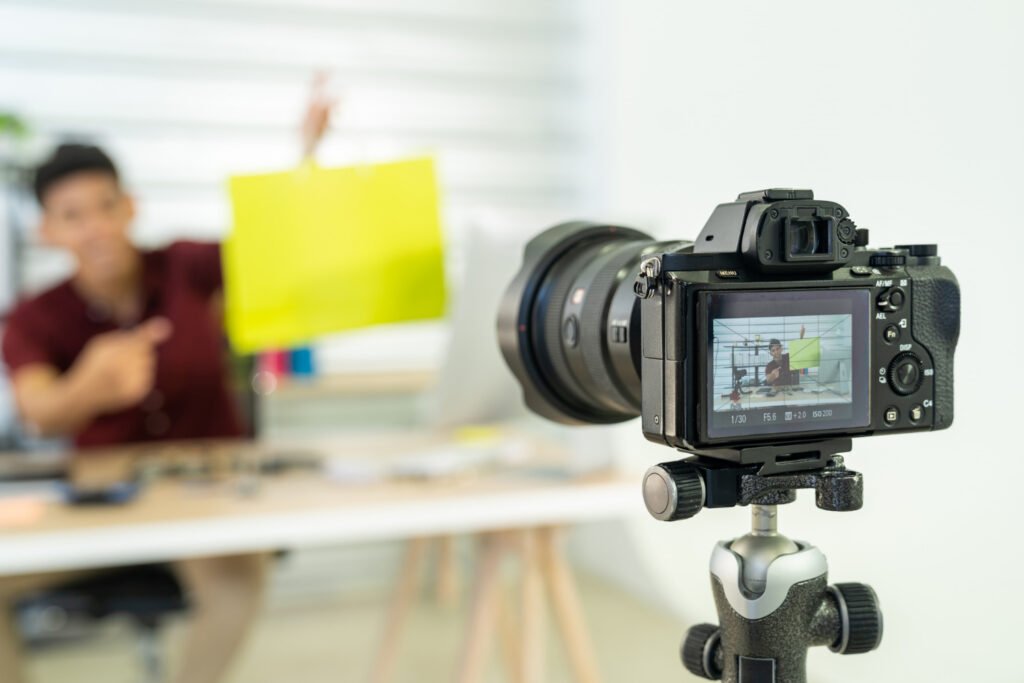
In commercial photography, a structured creative studio process ensures consistency across shoots and campaigns. Whether capturing products, environments, or people, photography is guided by defined visual principles. This allows brands to build image libraries that remain relevant over time.
Video production workflows benefit even more from this structure. Video combines narrative, motion, sound, and timing. Without a clear process, complexity can quickly undermine clarity. A disciplined workflow ensures that videos communicate efficiently, especially when explaining products, services, or systems.
Across both mediums, the process supports collaboration. Stakeholders understand how decisions are made and where feedback fits. This reduces friction and leads to stronger outcomes.
For brands operating globally, this approach also supports localization. Core visual narratives can be adapted for regional markets without losing coherence, ensuring that visual branding remains intact.
The Role of Visual Branding in Long-Term Strategy
Brand imagery is often treated as campaign-driven, but its impact is cumulative. Over time, visuals shape recognition, trust, and emotional association. In 2026, leading brands view visual branding as long-term infrastructure rather than short-term output.
A consistent creative studio process supports this perspective. By building imagery through repeatable methods, brands reduce dependency on trends and individual interpretations. Visual assets become part of a larger system that evolves without losing its core identity.
This is particularly important in sectors where credibility and clarity are essential. Visuals must not only look refined but also communicate reliability and competence.
Our Perspective
At Studio Image Works, the journey from concept to camera is treated as a communication exercise before it becomes a production task. The emphasis is on understanding what the brand needs to express and how visual structure can support that message.
Creative direction is developed collaboratively, ensuring alignment between strategy, subject matter expertise, and execution. Commercial photography and video production workflows are designed to prioritize clarity, accuracy, and longevity.
Rather than focusing on individual assets, the studio considers how brand imagery functions as a system. Each image or video is created to contribute to a coherent visual language that can scale across platforms and markets.
This approach reflects a belief that strong visuals are built through thinking, not excess.
The Result
In 2026, powerful brand imagery is the result of disciplined process, not spontaneous creativity. From concept development to camera execution, every stage of the creative studio process plays a role in shaping how brands are perceived.
Commercial photography and video production are most effective when guided by clear creative direction and strategic intent. Visual branding succeeds when imagery is consistent, purposeful, and aligned with long-term goals.
For decision-makers, understanding this process provides greater confidence in how visual investments translate into brand value. When creative studios operate with clarity and structure, brand imagery becomes more than content—it becomes a strategic asset.